
The first time I heard the phrase revenge travel, it sounded dramatic. Almost aggressive. But the more I traveled again during and after the pandemic, the more it made sense.
Airports felt different. People smiled more. Some booked trips with no return plans, just because they finally could. That’s what revenge travel really is. But now that a few years have passed, is revenge travel still a thing, or was it just a moment?
- What Is Revenge Travel, Really?
- How the Pandemic Gave Birth to Revenge Travel
- What Revenge Travel Looked Like on the Road
- Why Travel Felt So Intense After Lockdowns
- Is Revenge Travel Still a Thing?
- How Revenge Travel Changed Travel Choices
- Real-World Examples of Revenge Travel Destinations
- The Emotional Upside and Practical Downsides
- What Revenge Travel Teaches Us Now
- Is Revenge Travel Still a Thing – Final Thoughts
What Is Revenge Travel, Really?
At its simplest, revenge travel is travel fueled by deprivation during the years of the pandemic.
It’s the emotional response to being unable to move, explore, or reunite with people for a long time.
A traveler I met in Lisbon put it perfectly: “I didn’t travel to escape my life. I traveled because I realized how easily it could be taken away.”
But emotionally? Revenge travel is about reclaiming agency.
One traveler I met in Lisbon put it perfectly:
“I didn’t travel to escape my life. I traveled because I realized how easily it could be taken away.”
That feeling – not anger, but urgency – is what defines revenge travel.
How the Pandemic Gave Birth to Revenge Travel

Revenge travel would not exist without the pandemic. Borders closed. Flights disappeared. Trips planned for years were canceled in hours. Honeymoons turned into refunds.
At first, people accepted it. Then months passed. Then years.
Travel stopped being something we did and became something we missed. That absence changed how it felt when it finally returned.
When restrictions were lifted, many travelers didn’t hesitate. They booked immediately, sometimes emotionally, sometimes impulsively. It wasn’t about luxury or showing off. It was about not waiting anymore.
That collective reaction is what created the term and the trend.
What Revenge Travel Looked Like on the Road
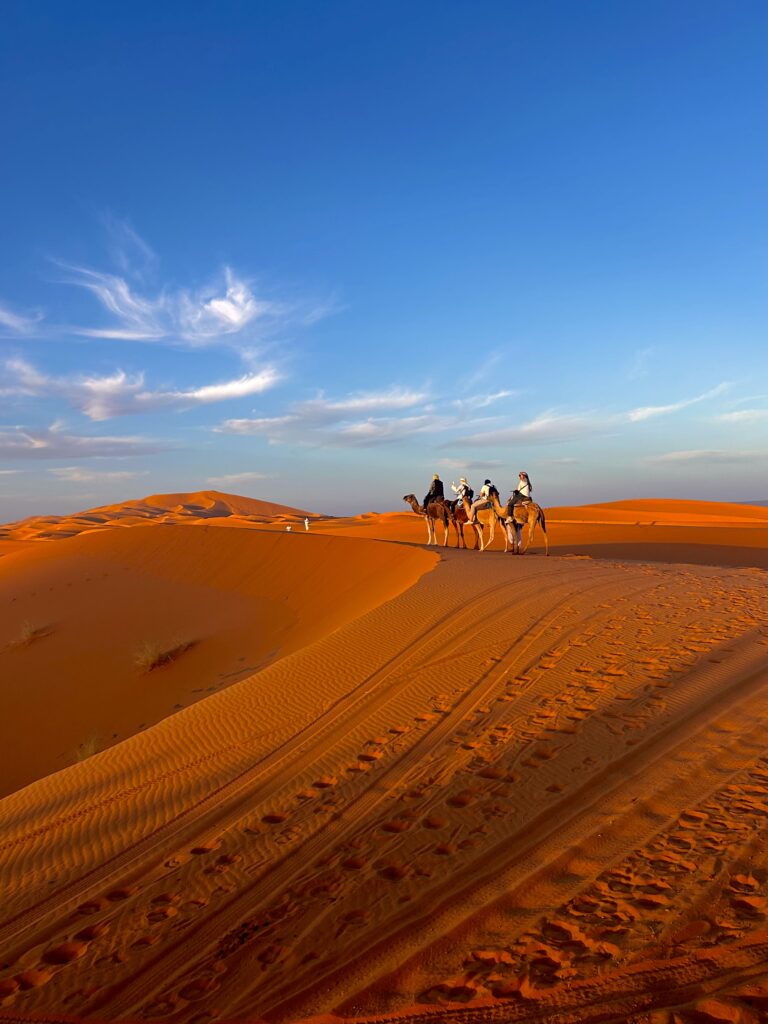
Revenge travel didn’t always look glamorous. Sometimes it looked like someone boarding a plane alone, just to feel movement again.
I met a couple in Italy who postponed their honeymoon twice. When they finally arrived, they stayed longer than planned.
“We realized we didn’t want to rush anymore”, they told me. “We already lost enough time”.
Others upgraded flights, not for status, but for comfort. After years of uncertainty, small luxuries felt justified. Travel stopped being something to optimize and became something to savor.
That’s an important part of revenge travel – it’s emotional, not logical.
Why Travel Felt So Intense After Lockdowns

Before the pandemic, travel was routine. After it, travel felt symbolic.
Seeing a sunrise in a new city felt heavier. Sitting in a café abroad felt almost surreal. Even delayed flights felt tolerable because at least you were going somewhere.
One traveler I spoke to in Japan said:
“I don’t think I ever noticed how lucky I was to travel before. Now I notice everything.”
That awareness is one of revenge travel’s quiet legacies.
Is Revenge Travel Still a Thing?
This is the question everyone asks now: is revenge travel still a thing?
The short answer: yes, but it’s quieter.
The frantic booking rush has slowed. Airports feel more balanced. But the mindset hasn’t disappeared. People still prioritize travel more than they did before 2020. They still rearrange work, budgets, and time for it.
Revenge travel didn’t vanish – it evolved into intentional travel.
How Revenge Travel Changed Travel Choices
One lasting change is how people choose destinations.
Instead of chasing the longest list, many travelers choose places that feel meaningful. They stay longer. They move more slowly. They care more about how travel fits into their lives.
Nature trips, cultural stays, and seasonal travel gained popularity. Even cities are experienced differently now – more wandering, fewer checklists.
This shift is one reason revenge travel still matters today.
Real-World Examples of Revenge Travel Destinations
A traveler in Croatia once told me: “I didn’t choose this place because it was trending. I chose it because it made me feel peaceful.”
You could see revenge travel clearly in certain places.
Mediterranean countries exploded in popularity once borders reopened. Japan saw massive interest after years of closure. Smaller towns and rural regions gained attention from travelers seeking space and calm.
A traveler in Croatia told me:
“I didn’t choose this place because it was trending. I chose it because it made me feel peaceful.”
That sentence captures the heart of the trend.
The Emotional Upside and Practical Downsides
Revenge travel helped people heal. It reconnected families. It reminded many why they loved exploring in the first place.
But it also brought challenges. Crowds returned quickly. Prices rose. Some destinations struggled with over-tourism.
The difference now is awareness. Travelers are more conscious of impact than they were during the initial surge.
What Revenge Travel Teaches Us Now

Understanding revenge travel isn’t just about a trend. It’s about recognizing how quickly freedom can disappear – and how deeply we value it when it returns.
Today’s travelers are less interested in proving something and more interested in feeling something. That’s the real evolution of revenge travel.
Is Revenge Travel Still a Thing – Final Thoughts
Is revenge travel still a thing? Yes, but not as a buzzword. It lives on in how people plan, choose, and experience travel.
Revenge travel taught us not to postpone joy indefinitely. It reminded us that experiences matter. And it changed travel from something automatic into something intentional.
If travel feels more personal to you now than it did before, you’ve felt its impact – whether you call it revenge travel or not.